
George Frideric Handel
George Frideric Handel was an international Baroque composer whose operas, oratorios and ceremonial orchestral works combine dramatic storytelling with memorable melodies and powerful choruses.
Born in Germany, shaped by Italy and celebrated in London, Handel built a truly European musical career.
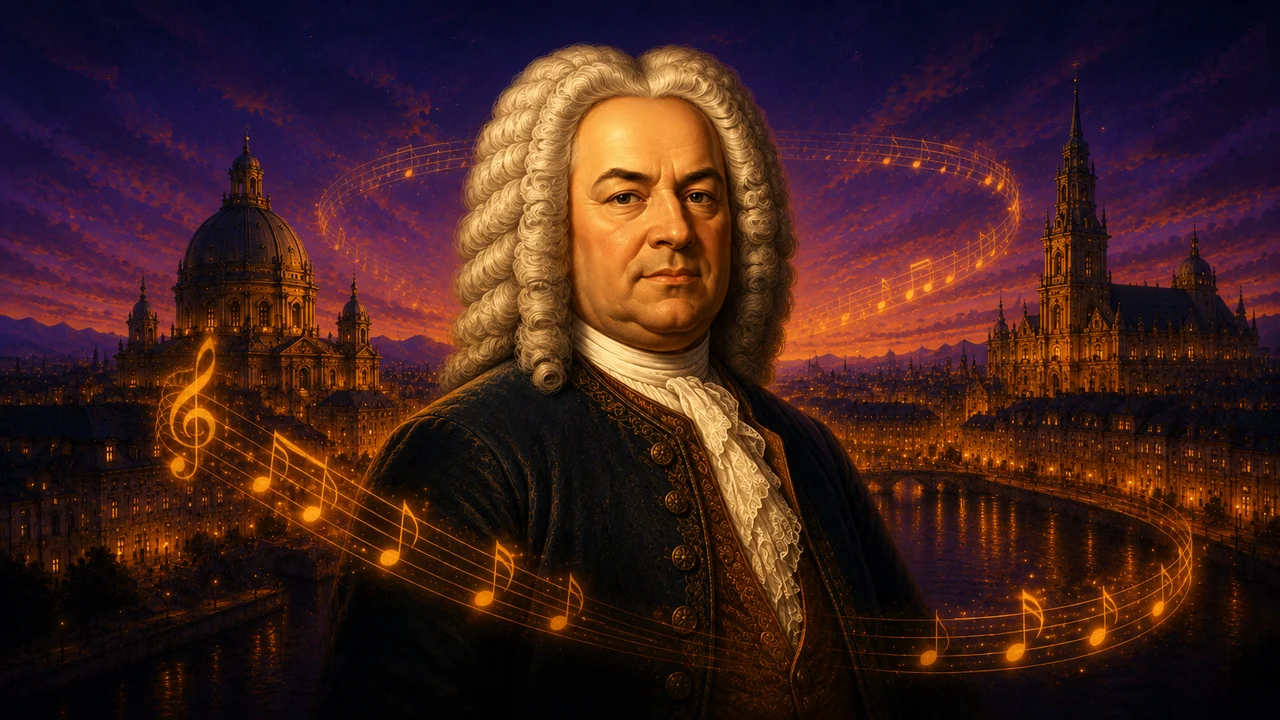
Life and Story
George Frideric Handel was born in Halle in 1685. Although his family initially expected a different profession, his musical ability led him toward a career as a keyboard player and composer. He worked in Hamburg, travelled to Italy and learned directly from the Italian vocal and operatic tradition. He later settled in London, where he first became successful through Italian opera. When the opera business became more difficult, Handel increasingly turned to English-language oratorios. Messiah is the most famous, but he wrote many large works for soloists, chorus and orchestra. Handel also composed ceremonial and outdoor pieces such as Water Music and Music for the Royal Fireworks. He was an accomplished keyboard musician and a skilled organizer of musical events. In later life he experienced severe problems with his sight but remained connected to performances of his music. Handel died in London in 1759 and was buried in Westminster Abbey.
Musical Style
His style is theatrical and direct. Vocal melodies support the meaning of words, choruses can create enormous energy, and orchestral dance rhythms are often immediately recognizable. Handel can use counterpoint with great skill, but his musical gestures often aim for clear dramatic impact.
Why Are They Important?
Handel helped establish the English oratorio as a major genre and created instrumental works that remain part of public ceremonial culture. His ability to combine German, Italian, French and English influences made his music widely accessible.
Why Study This Composer?
Handel helps students understand strong rhythmic character, clear phrasing and dramatic contrast. Keyboard suites introduce Baroque dance, ornamentation and articulation, while choral works help listeners follow multiple musical layers.
What Can a Student Learn?
Students can learn how music creates drama through dynamics, rhythm and repetition. In keyboard music, clear articulation and ornament control matter; in larger works, listening for the relationship between soloist, chorus and orchestra develops musical awareness.
Era and Contemporaries
Handel was born in the same year as Bach. Unlike Bach’s mainly German career, Handel travelled widely and worked in major international centers. He knew the Italian style of Corelli and Scarlatti and eventually made London his home.
What to Listen For
Listen beyond the famous Hallelujah chorus in Messiah. Notice how solo voices, chorus and orchestra take different narrative roles. In Water Music, focus on dance rhythms and the bright colors of wind instruments.
Memorable Facts
Featured Works
This section lists important works for reference. A score link appears only when Gamurland has completed both rights and score verification for that work.