
Classical Composers
Explore the composers who shaped music history through their lives, major works, musical language and the skills students can learn from them.
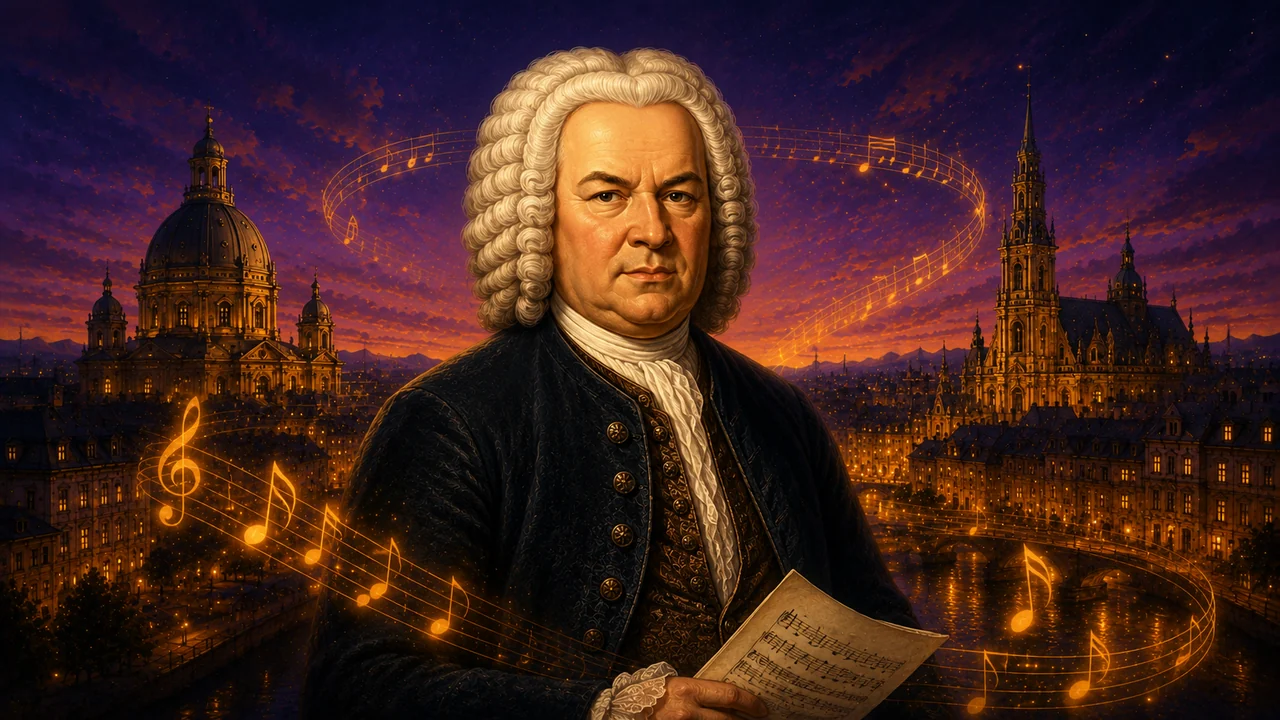
Johann Sebastian Bach
Johann Sebastian Bach was one of the defining composers of the Baroque era, famous for making several independent musical lines work together with extraordinary clarity and purpose.
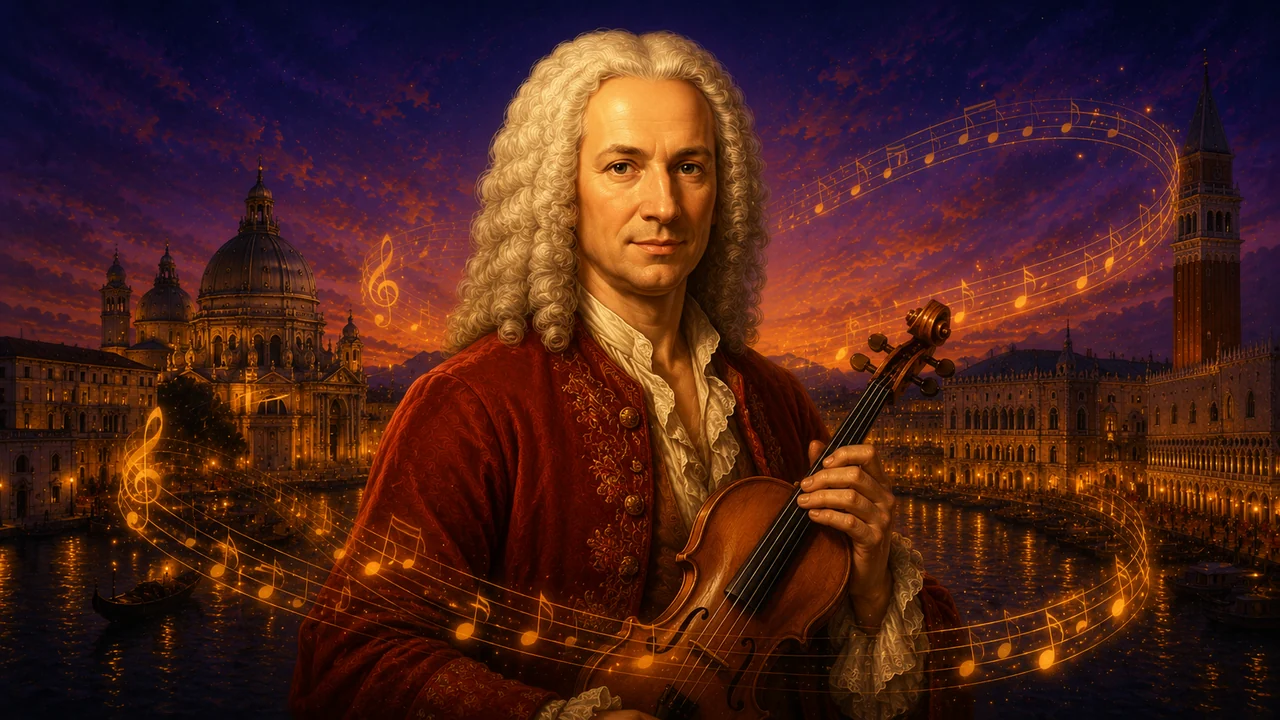
Antonio Vivaldi
Antonio Vivaldi was one of the most energetic voices of the Baroque era, known for strong rhythmic patterns, memorable melodies and hundreds of concertos, including The Four Seasons.
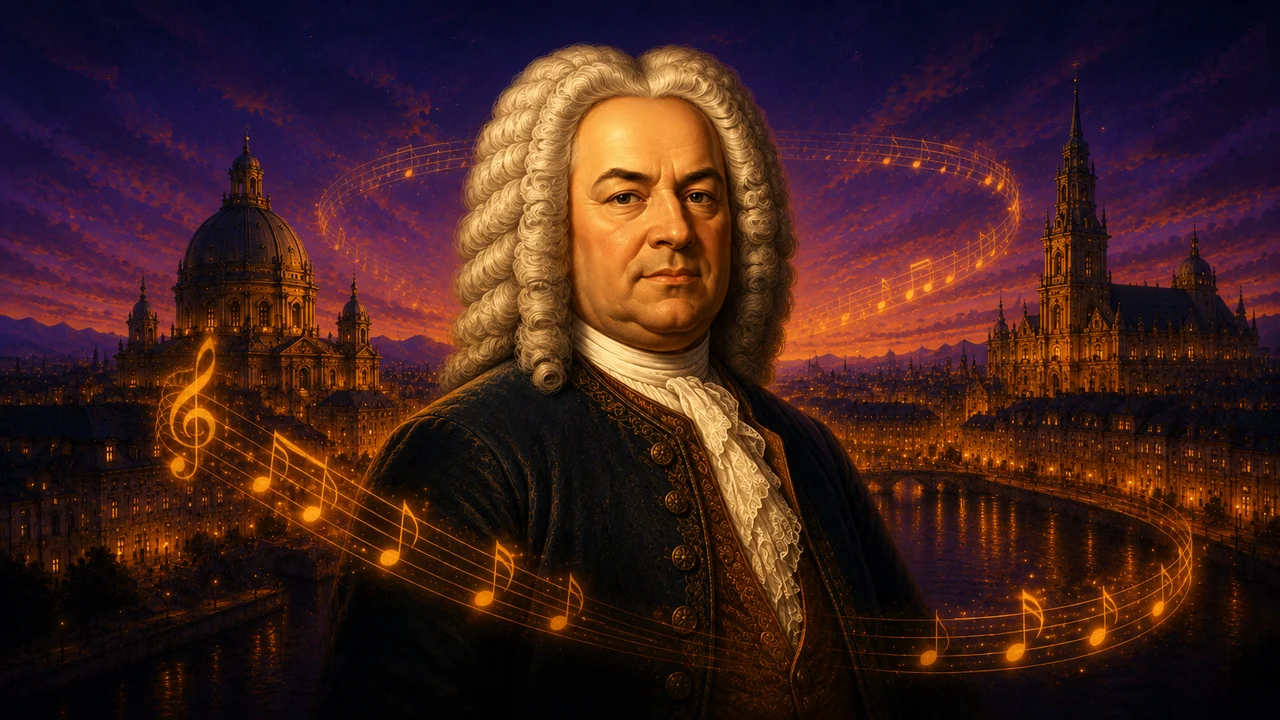
George Frideric Handel
George Frideric Handel was an international Baroque composer whose operas, oratorios and ceremonial orchestral works combine dramatic storytelling with memorable melodies and powerful choruses.
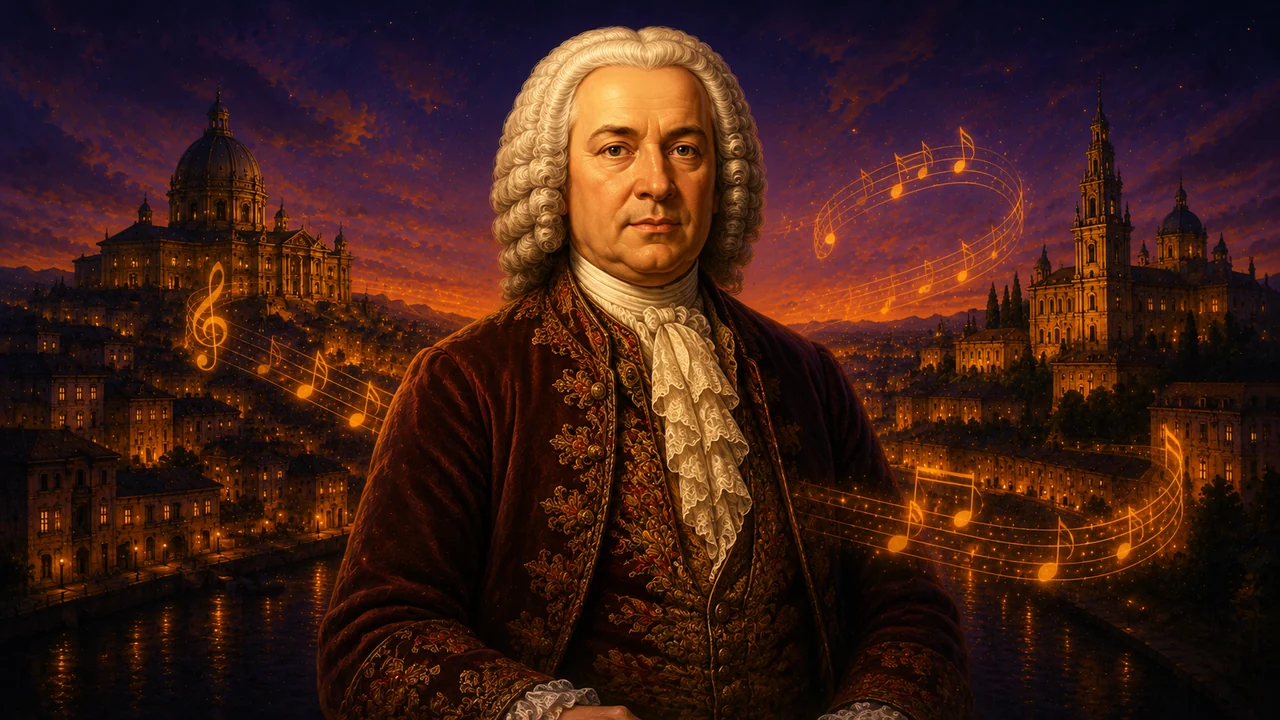
Domenico Scarlatti
Domenico Scarlatti is best known for hundreds of compact keyboard sonatas filled with hand crossings, repeated notes, surprising harmony and the rhythmic influence of Iberian music.

Johann Pachelbel
Johann Pachelbel is known worldwide for Canon in D, but in his own time he was an important German organist and composer of chorale-based keyboard and sacred music.
Georg Philipp Telemann
Georg Philipp Telemann was one of the most productive and versatile composers of the Baroque era, combining German, French, Italian and Polish influences in a remarkably flexible musical language.
Arcangelo Corelli
Arcangelo Corelli was a highly influential Italian violinist and composer whose sonatas and concerti grossi helped shape Baroque string technique, ensemble balance and tonal harmony.
François Couperin
François Couperin was one of the great masters of French Baroque harpsichord music, creating elegant character pieces filled with refined ornamentation, subtle rhythm and imaginative titles.
Jean-Philippe Rameau
Jean-Philippe Rameau was both a major French Baroque composer and an influential music theorist who tried to explain how harmony and bass relationships organize musical sound.
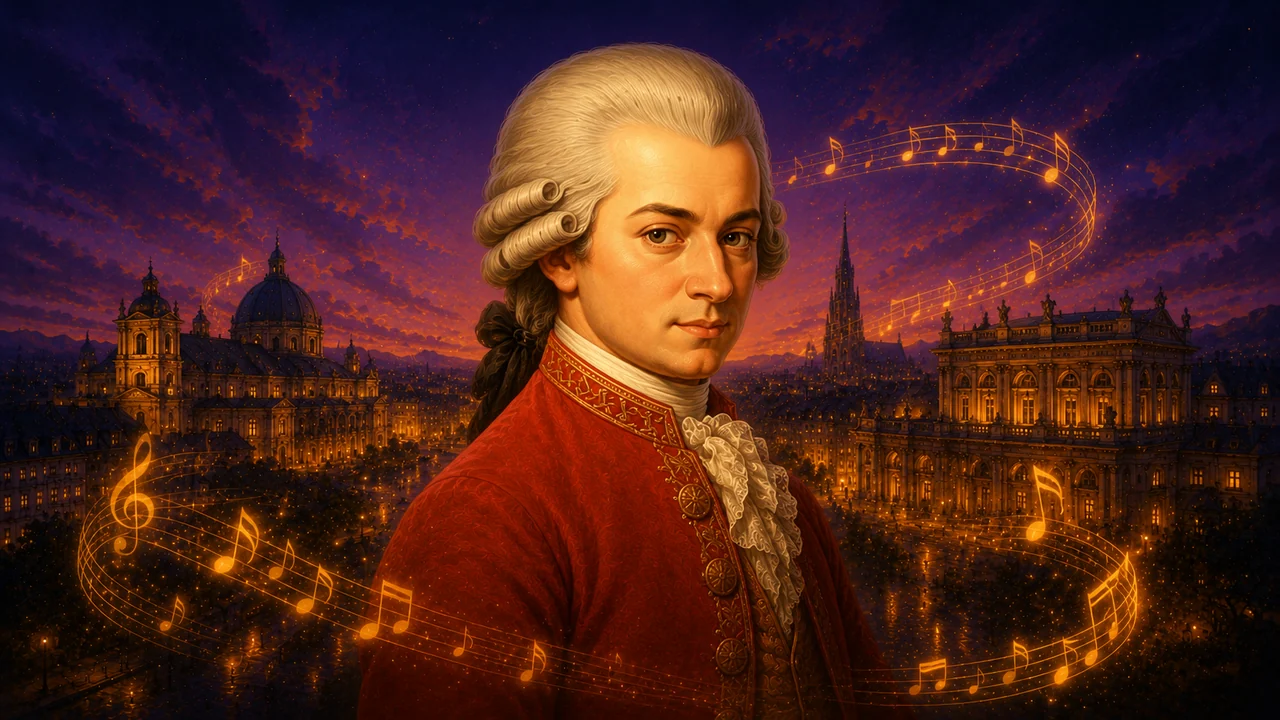
Wolfgang Amadeus Mozart
Wolfgang Amadeus Mozart was one of the defining composers of the Classical era, creating enduring operas, symphonies, concertos and chamber works after beginning his public career as a remarkable child musician.
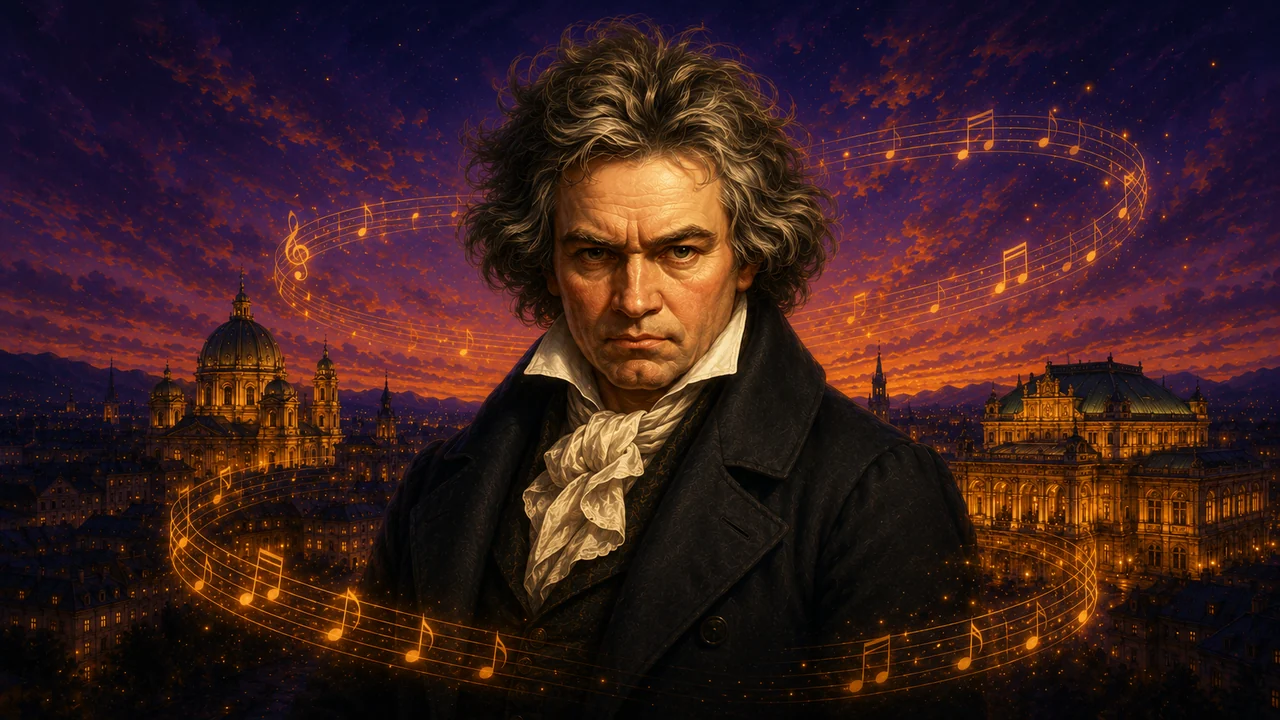
Ludwig van Beethoven
Ludwig van Beethoven transformed the balanced language of the Classical era through powerful personal expression, large-scale development and rhythmic energy, helping open the path toward Romantic music.
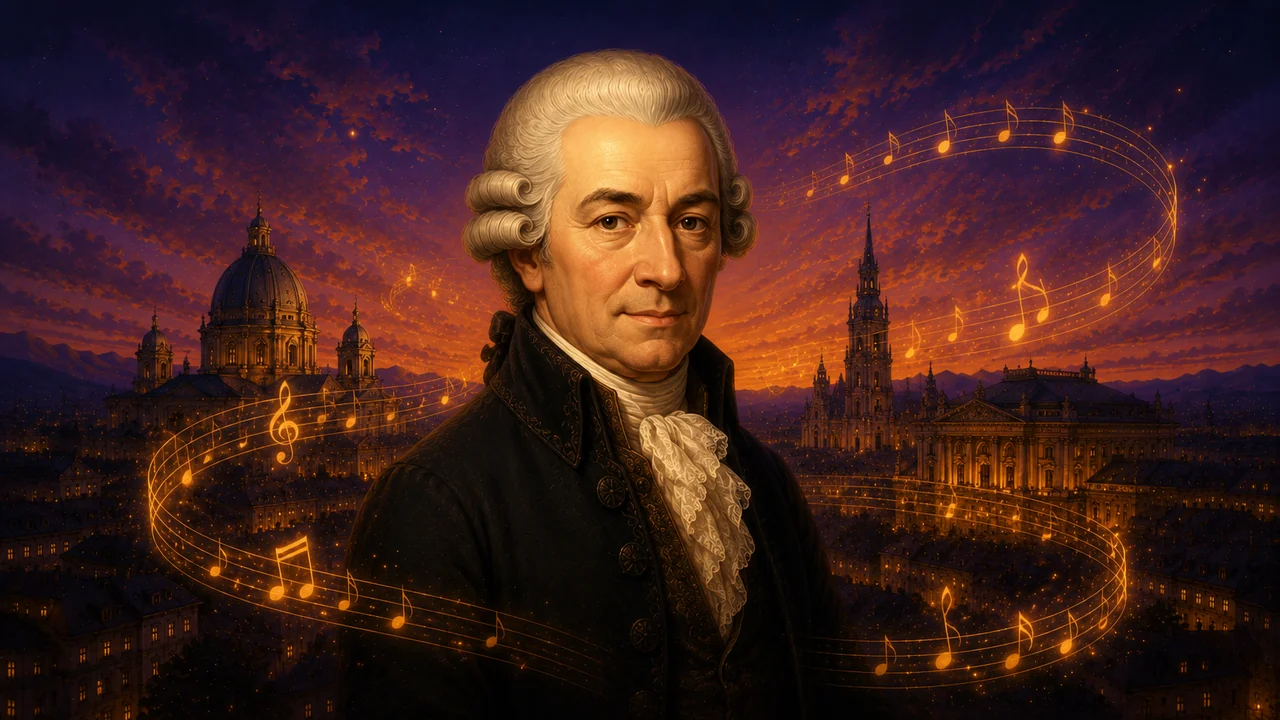
Joseph Haydn
Joseph Haydn helped shape the Classical symphony and string quartet, combining clear form with wit, surprise and an extraordinary ability to build large movements from small musical ideas.
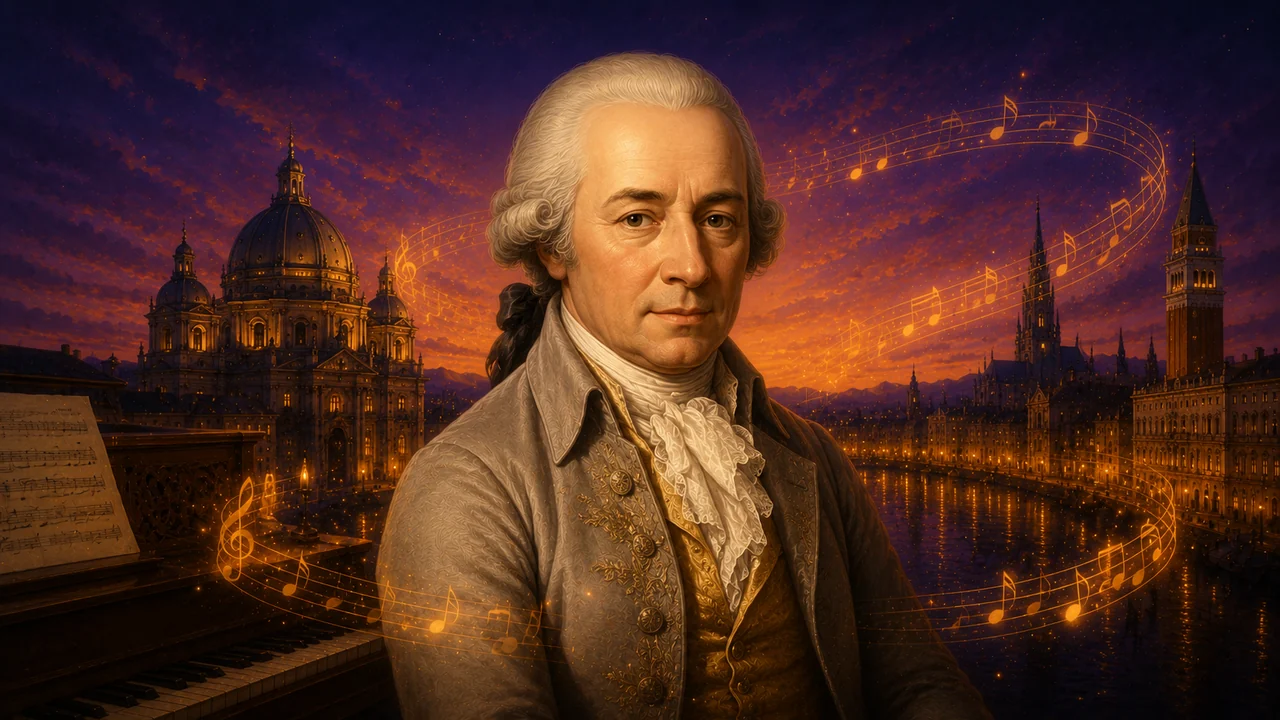
Muzio Clementi
Muzio Clementi was a major early piano figure: virtuoso, composer, teacher, publisher and instrument maker whose sonatas and studies helped define the technique of the developing piano.
Friedrich Kuhlau
Friedrich Kuhlau is especially important to students for piano sonatinas and flute music that bridge Classical clarity with the stronger dynamics of the early Romantic generation.
Anton Diabelli
Anton Diabelli is familiar to many piano students through his sonatinas, but he was also an important music publisher in nineteenth-century Vienna and the source of Beethoven’s famous Diabelli Variations theme.
Carl Philipp Emanuel Bach
Carl Philipp Emanuel Bach, one of Johann Sebastian Bach’s sons, became a major bridge from Baroque style to the Classical era through sudden contrasts, expressive keyboard writing and an influential performance treatise.
Johann Christian Bach
Johann Christian Bach, the youngest surviving son of Johann Sebastian Bach, developed a graceful and melodic early Classical style that strongly influenced the young Mozart.
Luigi Boccherini
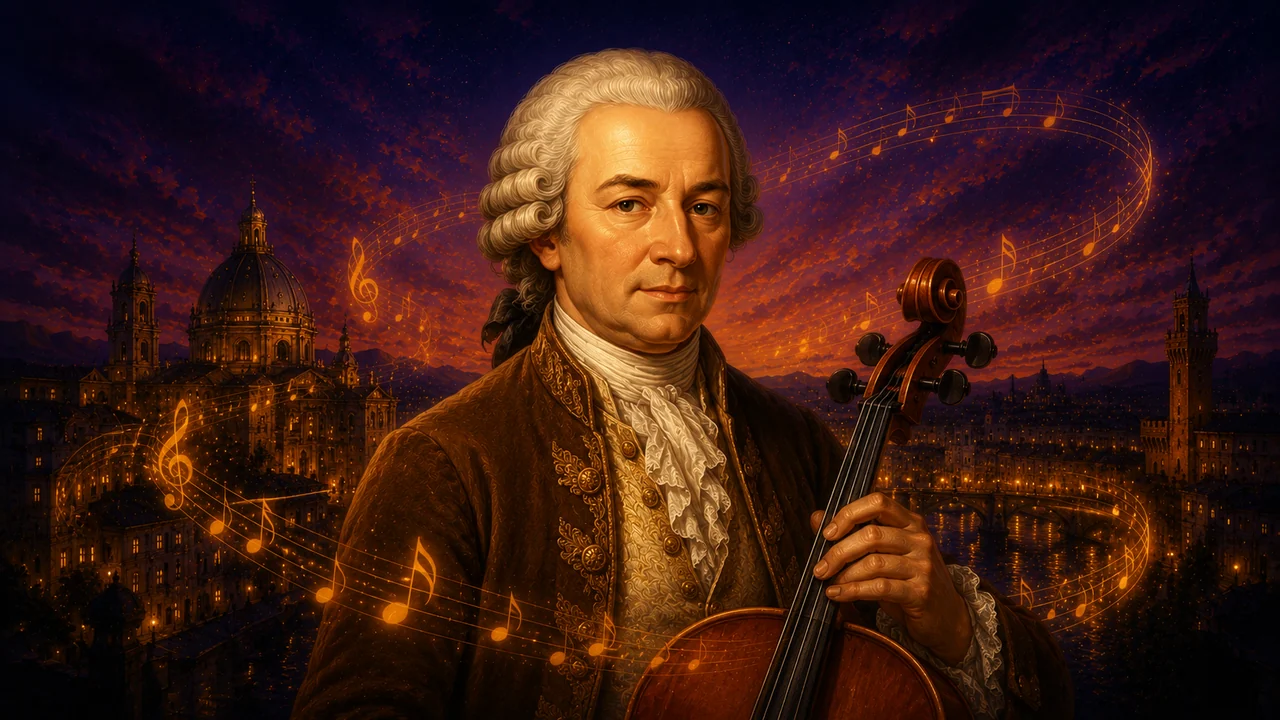
Luigi Boccherini was an Italian Classical composer and virtuoso cellist whose chamber music gave the cello a more melodic role and brought a distinctive Spanish color into the Classical style.
Christoph Willibald Gluck
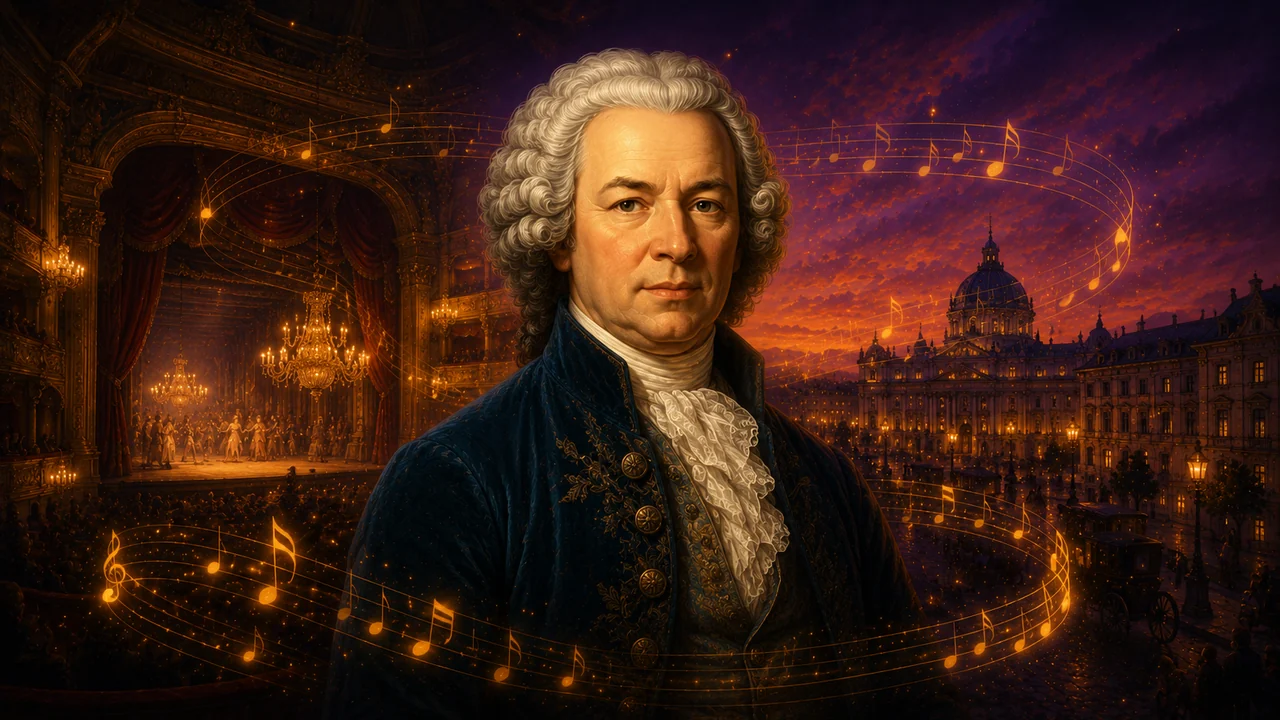
Christoph Willibald Gluck became famous for reforming opera, arguing that music, singing, orchestra and dance should serve the drama rather than exist mainly as opportunities for vocal display.
Franz Schubert
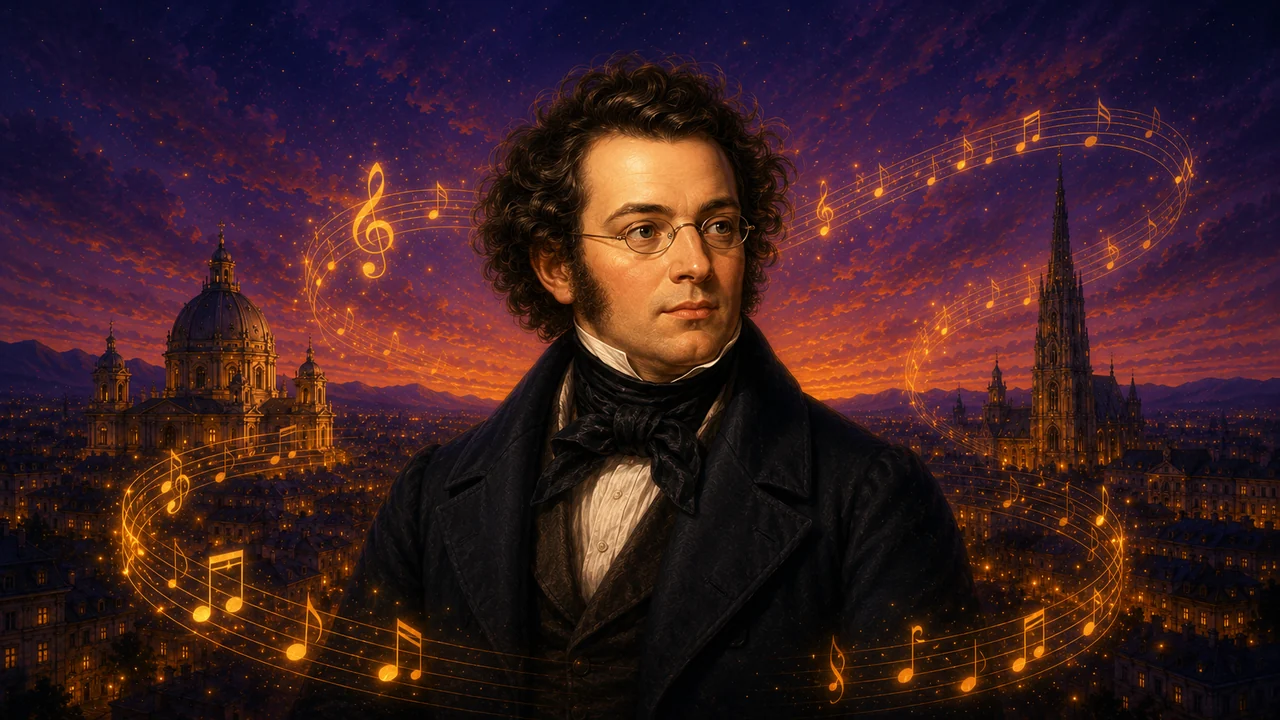
Franz Schubert wrote hundreds of songs, piano works, chamber pieces and symphonies in a life of only thirty-one years, becoming one of the key musical bridges from Classical form to Romantic lyricism.

Frédéric Chopin
Frédéric Chopin made the piano speak with unusual intimacy, combining Polish dance rhythms, singing melodies and sophisticated harmony in music that became central to the Romantic repertoire.

Robert Schumann
Robert Schumann brought literature, imagination and personal emotion into Romantic music, creating piano miniatures, songs and larger works filled with vivid characters and changing moods.
Pyotr Ilyich Tchaikovsky
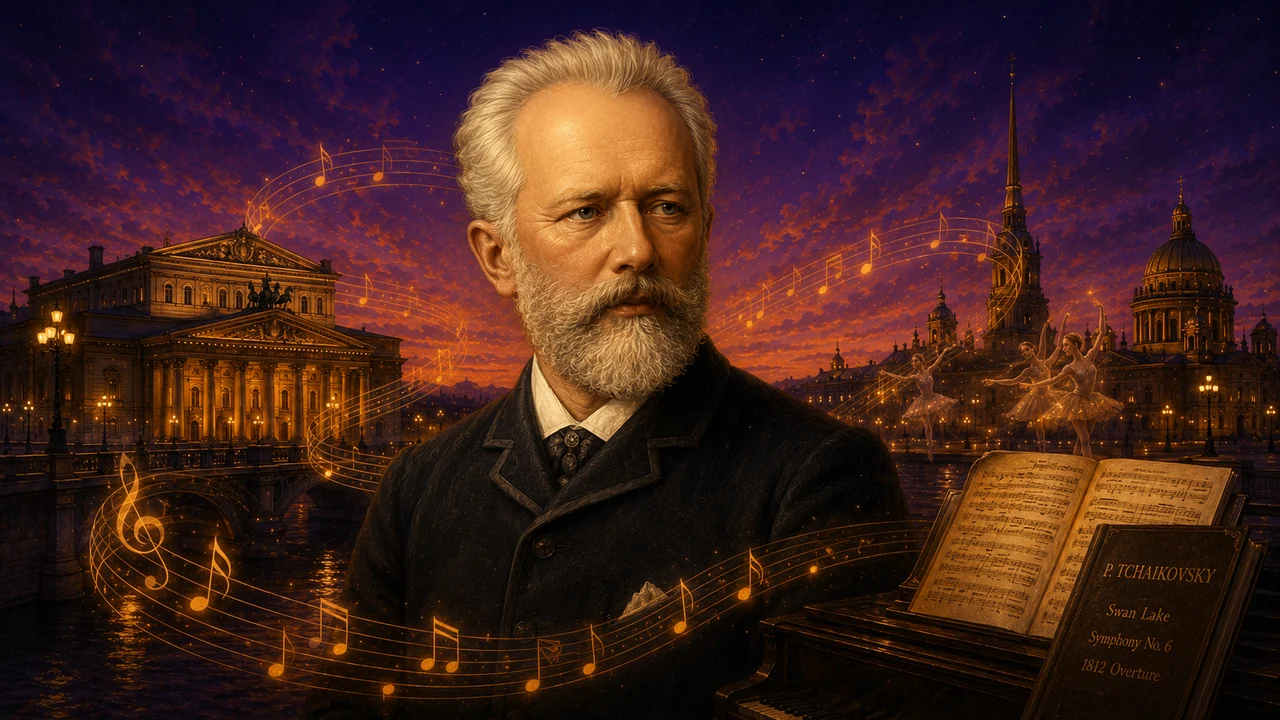
Pyotr Ilyich Tchaikovsky combined memorable melody, vivid orchestral color and deep emotion in ballets, symphonies, concertos and piano works loved around the world.
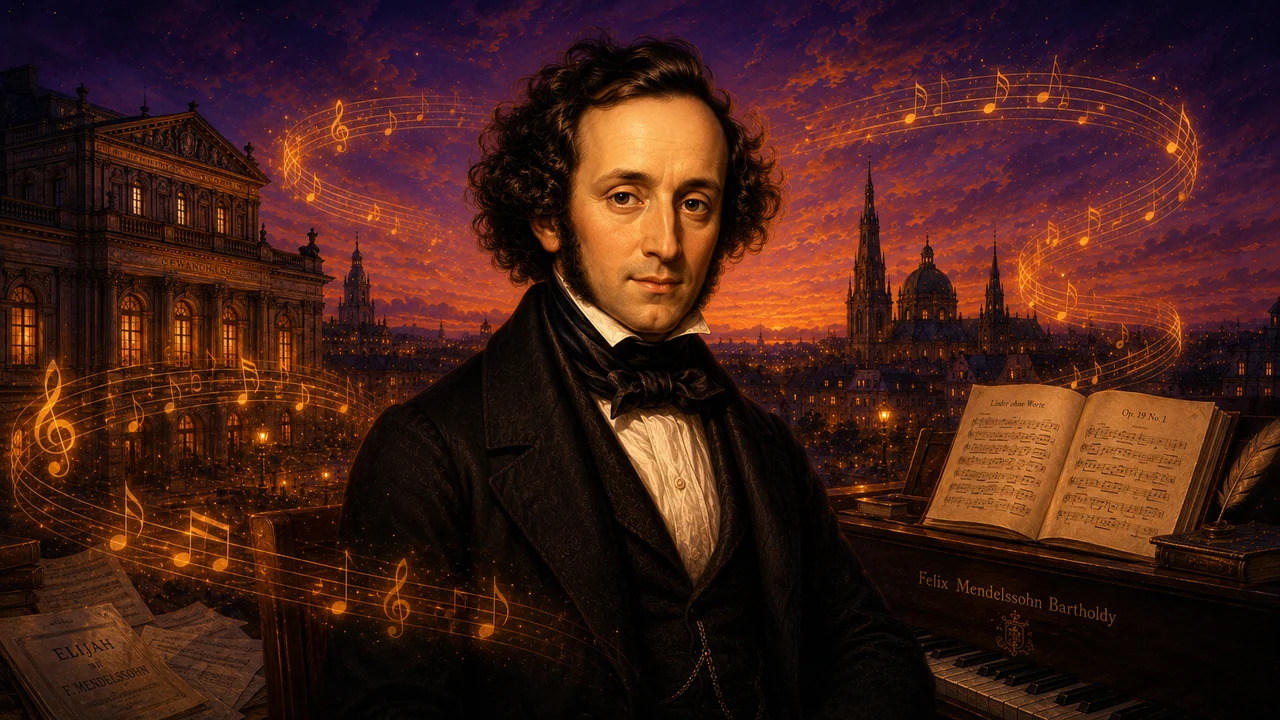
Felix Mendelssohn
Felix Mendelssohn united Classical clarity with Romantic color, writing brilliant orchestral music, lyrical Songs Without Words and chamber works admired for elegance and precision.

Franz Liszt
Franz Liszt was one of the nineteenth century’s most extraordinary pianists and a composer who expanded keyboard technique, concert culture and the expressive possibilities of the piano.
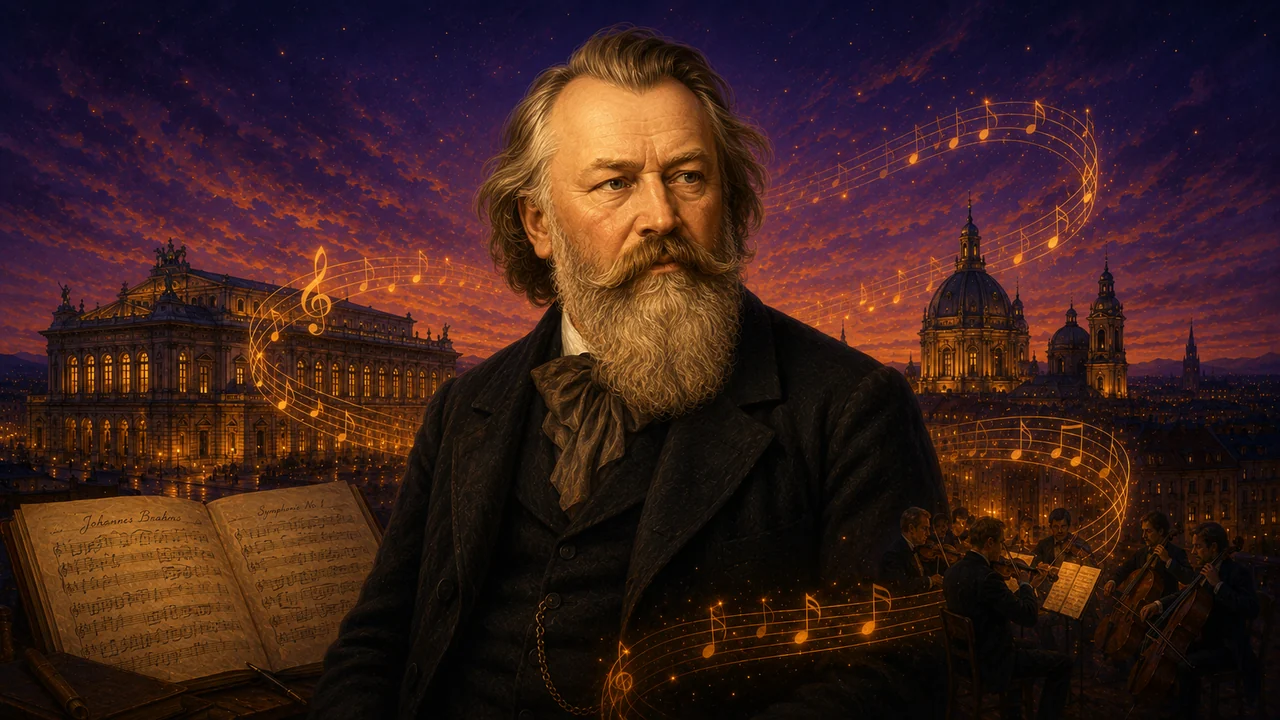
Johannes Brahms
Johannes Brahms combined Romantic warmth with deep respect for older forms, creating symphonies, chamber music and piano works built from tightly connected musical ideas.
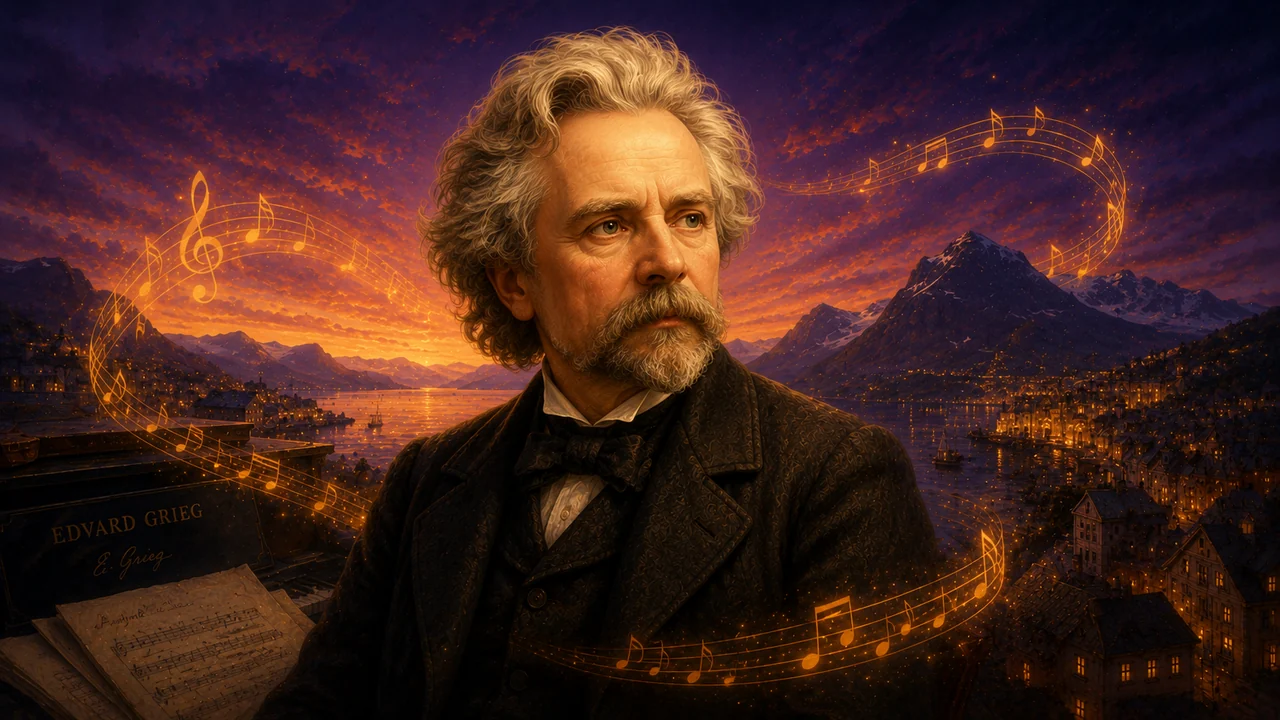
Edvard Grieg
Edvard Grieg gave Norwegian landscape, folk color and lyrical character an international Romantic voice through piano miniatures, songs and orchestral music.
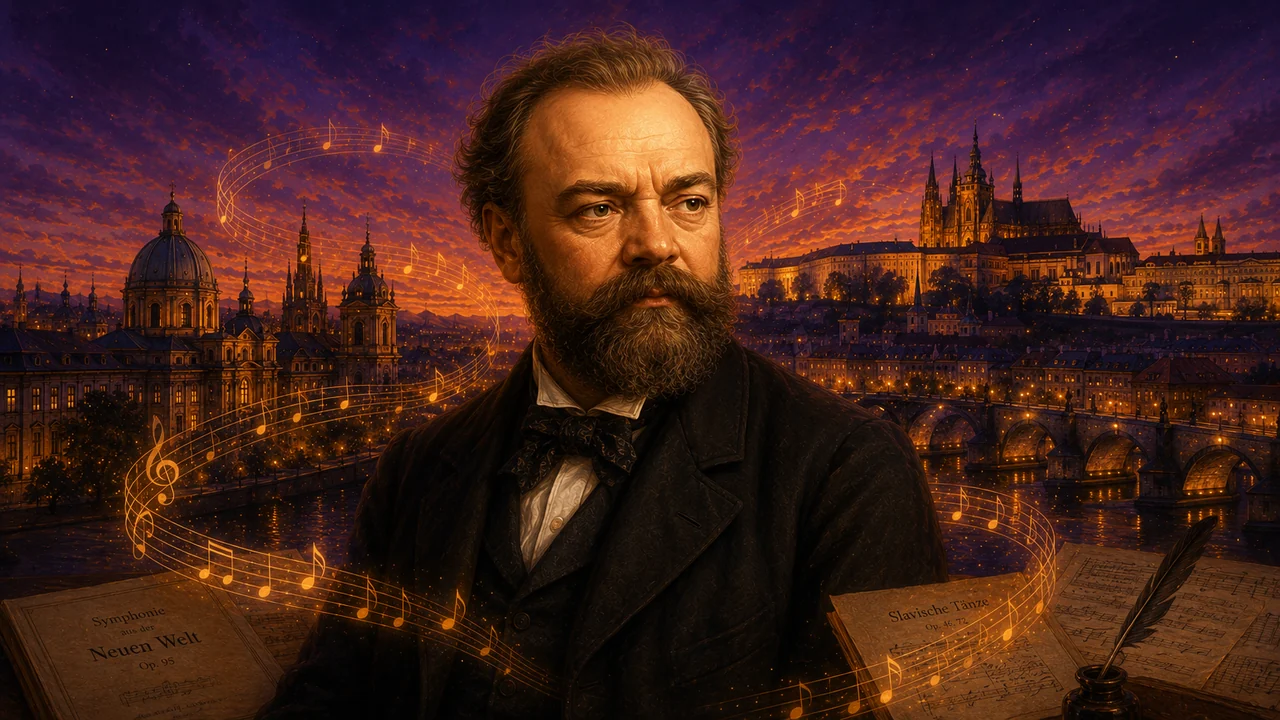
Antonín Dvořák
Antonín Dvořák combined strong Classical craftsmanship with Czech musical identity and a gift for memorable melody in symphonies, chamber music and dances.

Camille Saint-Saëns
Camille Saint-Saëns was a brilliant French pianist, organist and composer whose music combines elegance, virtuosity, humor and vivid instrumental imagination.
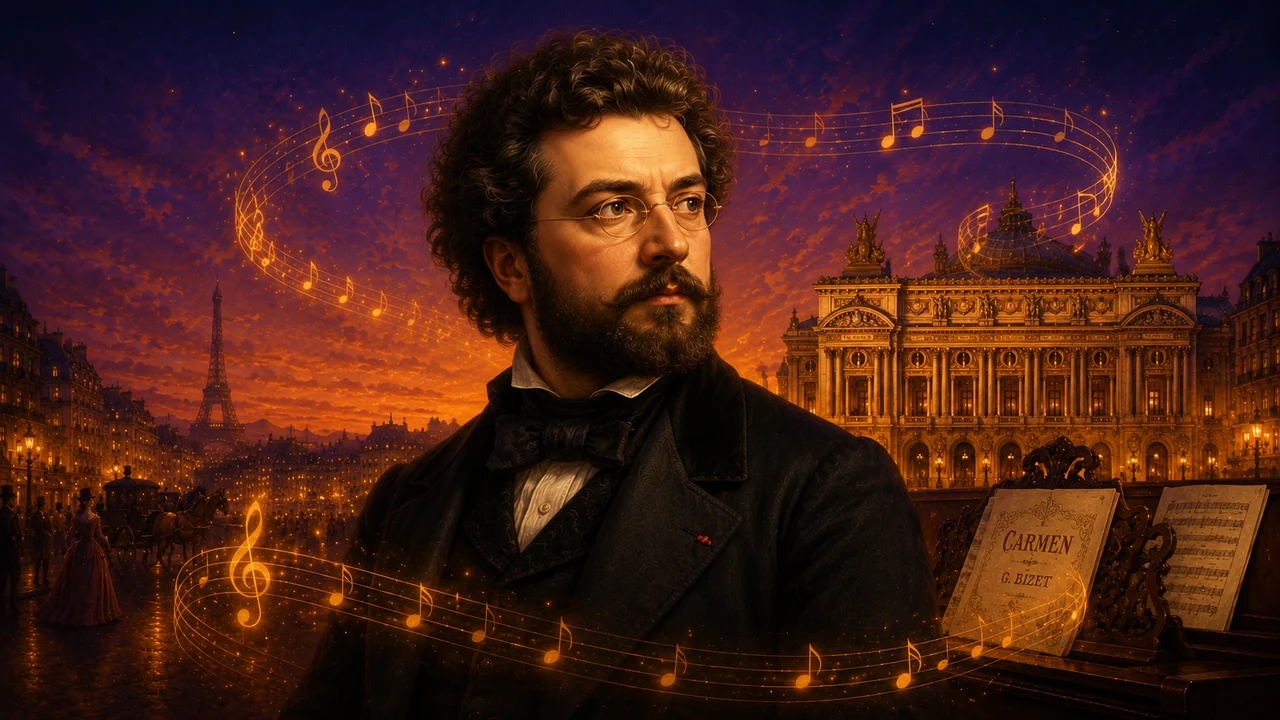
Georges Bizet
Georges Bizet is best known for the opera Carmen, but his short life also produced vivid orchestral and piano music with rhythmic energy, strong melody and theatrical color.
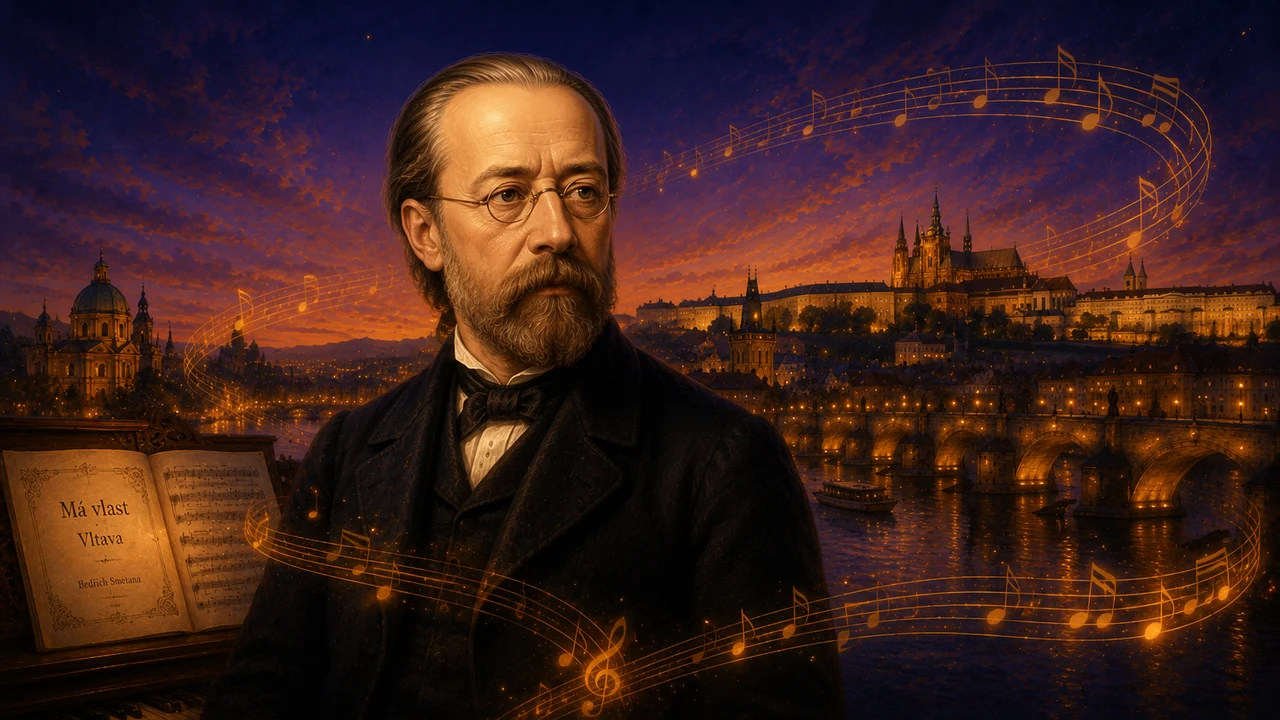
Bedřich Smetana
Bedřich Smetana helped establish a distinctive Czech Romantic voice through operas, symphonic poems and piano music shaped by national history, landscape and dance.

Modest Mussorgsky
Modest Mussorgsky created bold, highly individual Russian music with speech-like melody, vivid character and striking harmony, most famously in Pictures at an Exhibition.
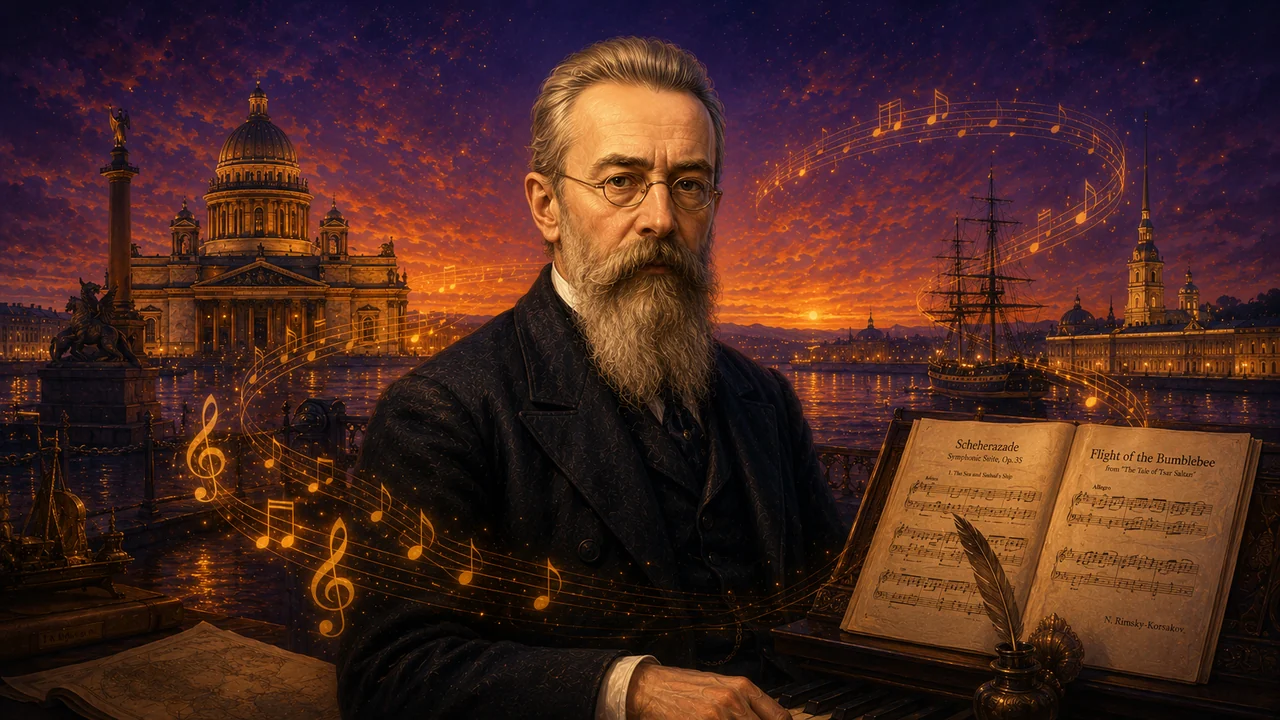
Nikolai Rimsky-Korsakov
Nikolai Rimsky-Korsakov was a master of orchestral color whose music combines Russian stories, brilliant instrumentation and clear dramatic pacing.
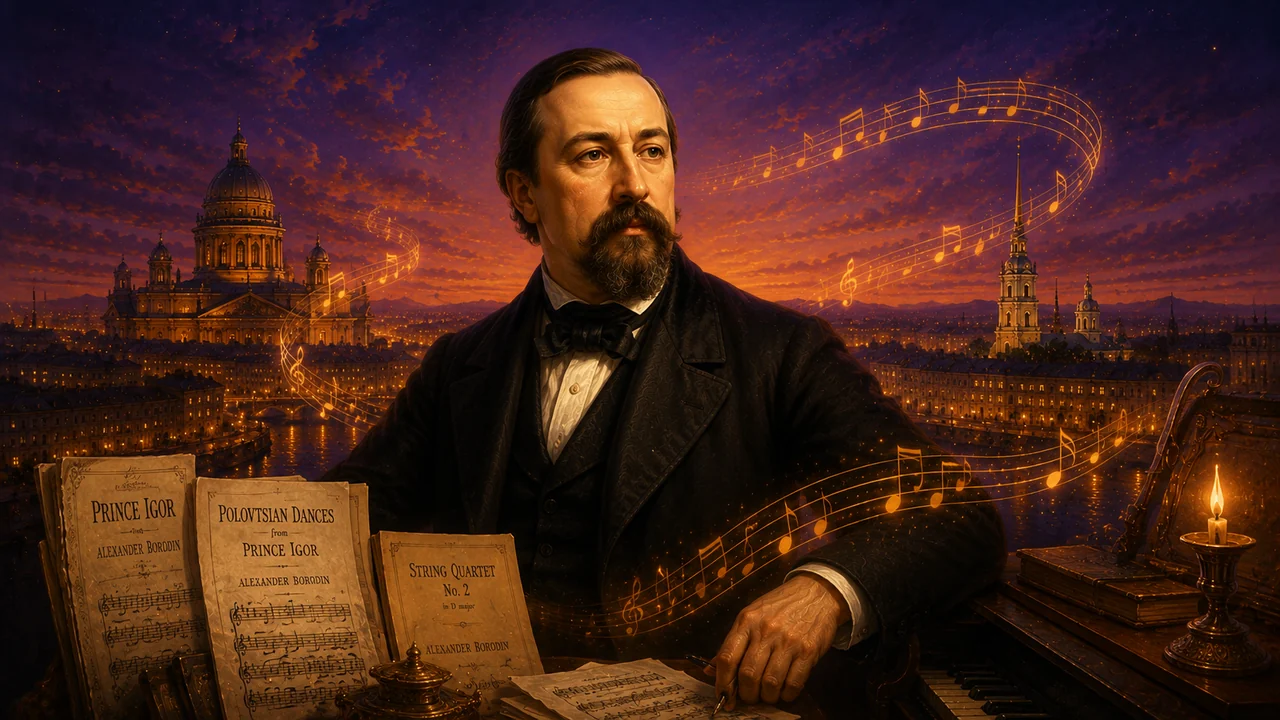
Alexander Borodin
Alexander Borodin balanced two demanding lives as a scientist and composer, creating richly melodic Russian music including Prince Igor and the popular Polovtsian Dances.

Johann Strauss II
Johann Strauss II became the most famous composer of the Viennese waltz, turning dance music into polished concert repertoire filled with memorable melody and rhythmic lift.
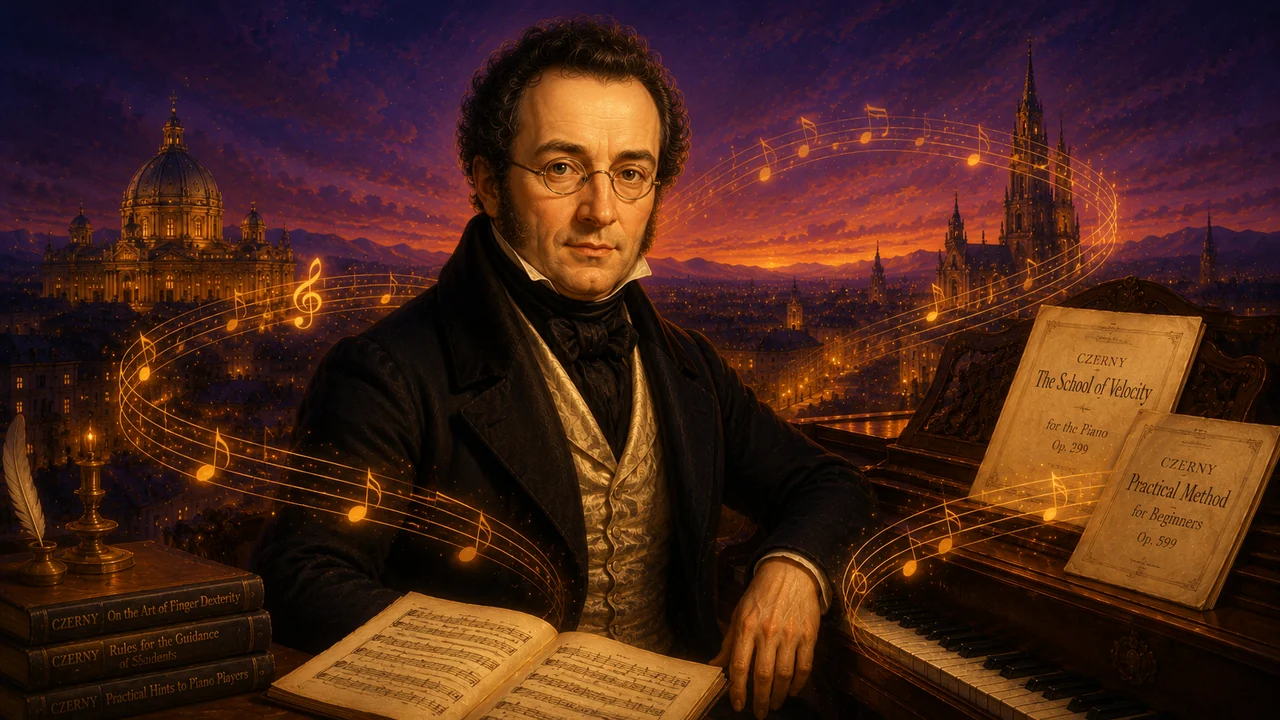
Carl Czerny
Carl Czerny was a pianist, composer and teacher whose enormous collection of keyboard studies helped shape the technical training of generations of pianists.
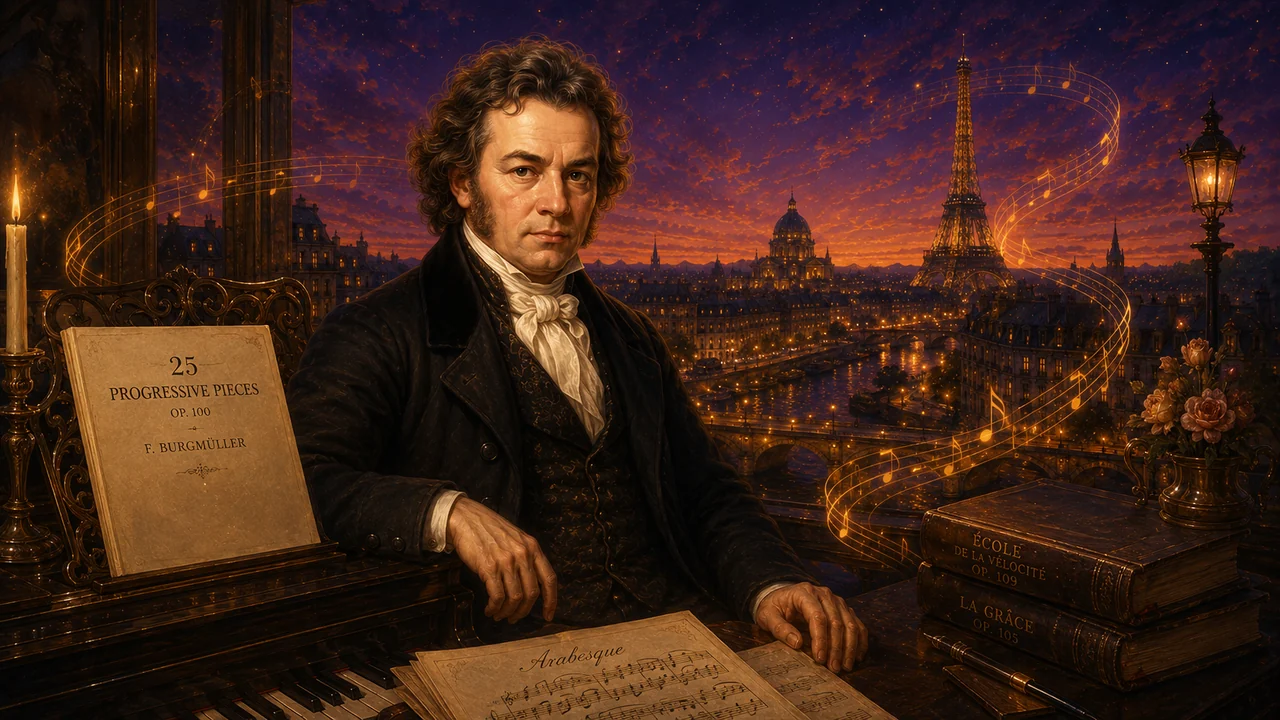
Friedrich Burgmüller
Friedrich Burgmüller wrote short Romantic piano studies that combine clear technical goals with memorable titles, melodies and character, making them especially valuable for students.

Clara Schumann
Clara Schumann was one of the nineteenth century’s leading pianists as well as a composer, teacher and editor whose career helped shape modern concert culture.
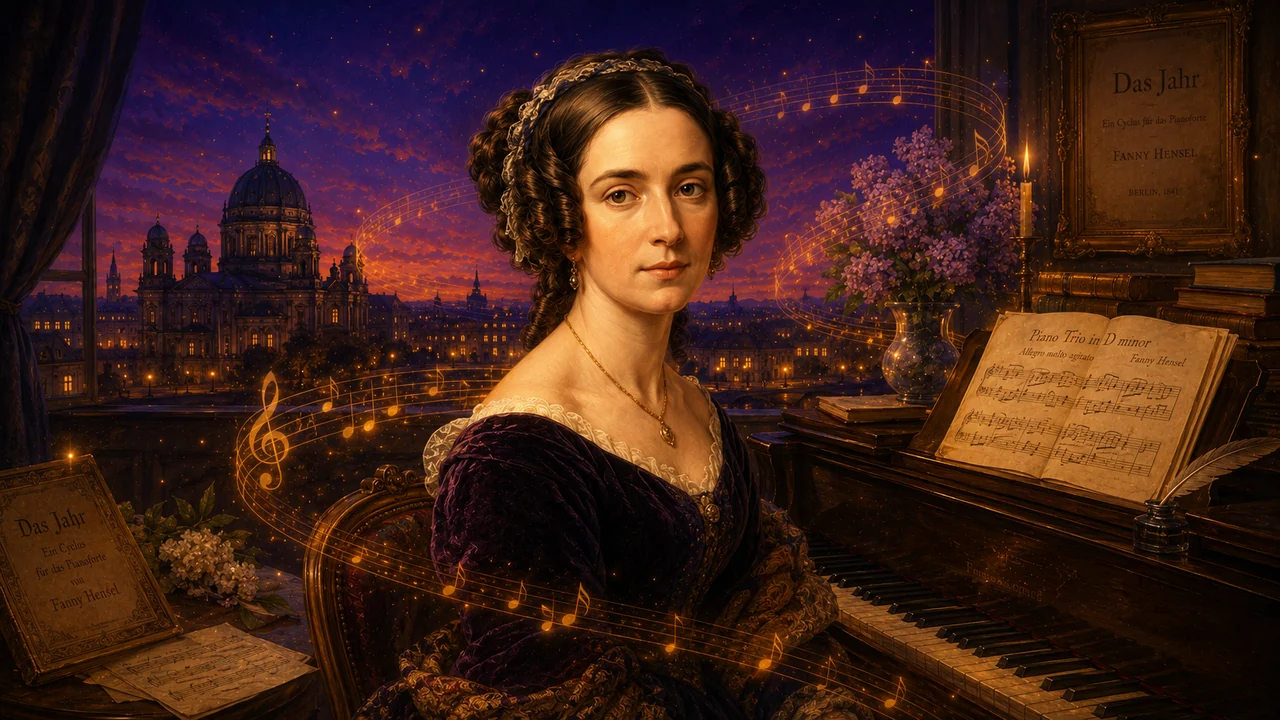
Fanny Mendelssohn
Fanny Mendelssohn was a gifted pianist and composer whose songs and piano works reveal a strong Romantic voice that was long overshadowed by social expectations and by the fame of her brother Felix.
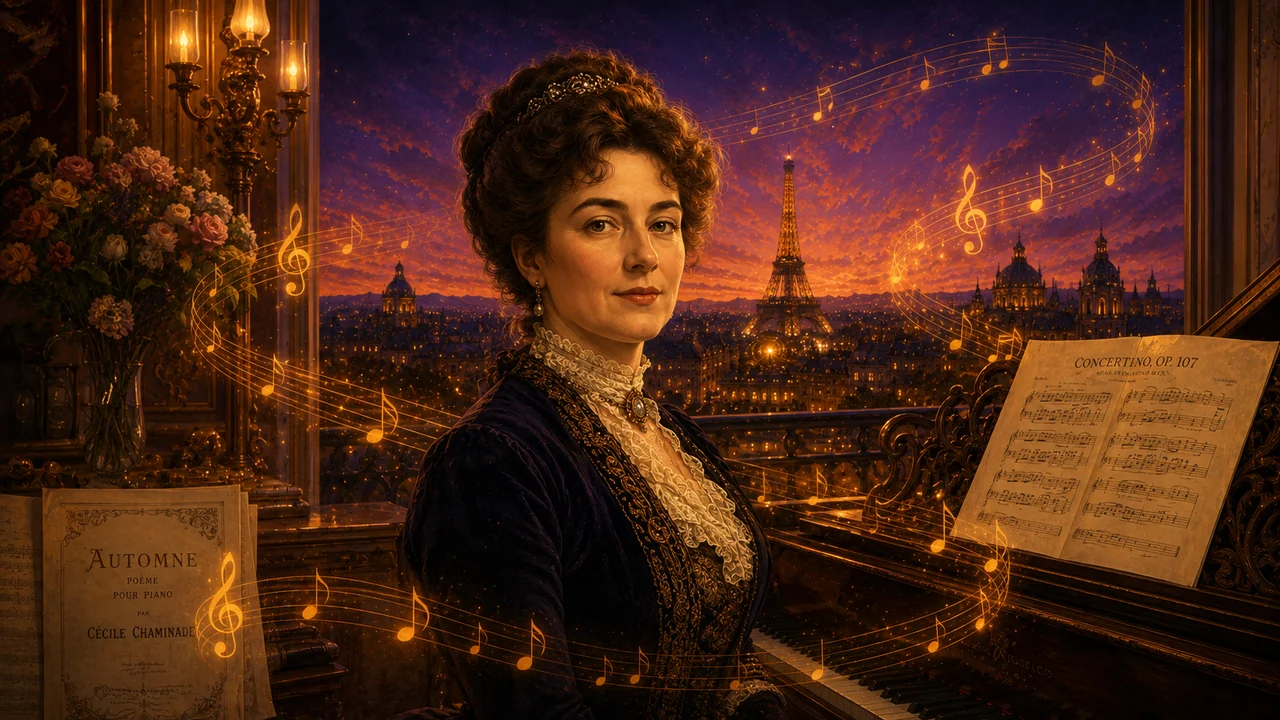
Cécile Chaminade
Cécile Chaminade was a successful French pianist and composer whose elegant piano pieces, songs and concert works reached a large international audience around the turn of the twentieth century.
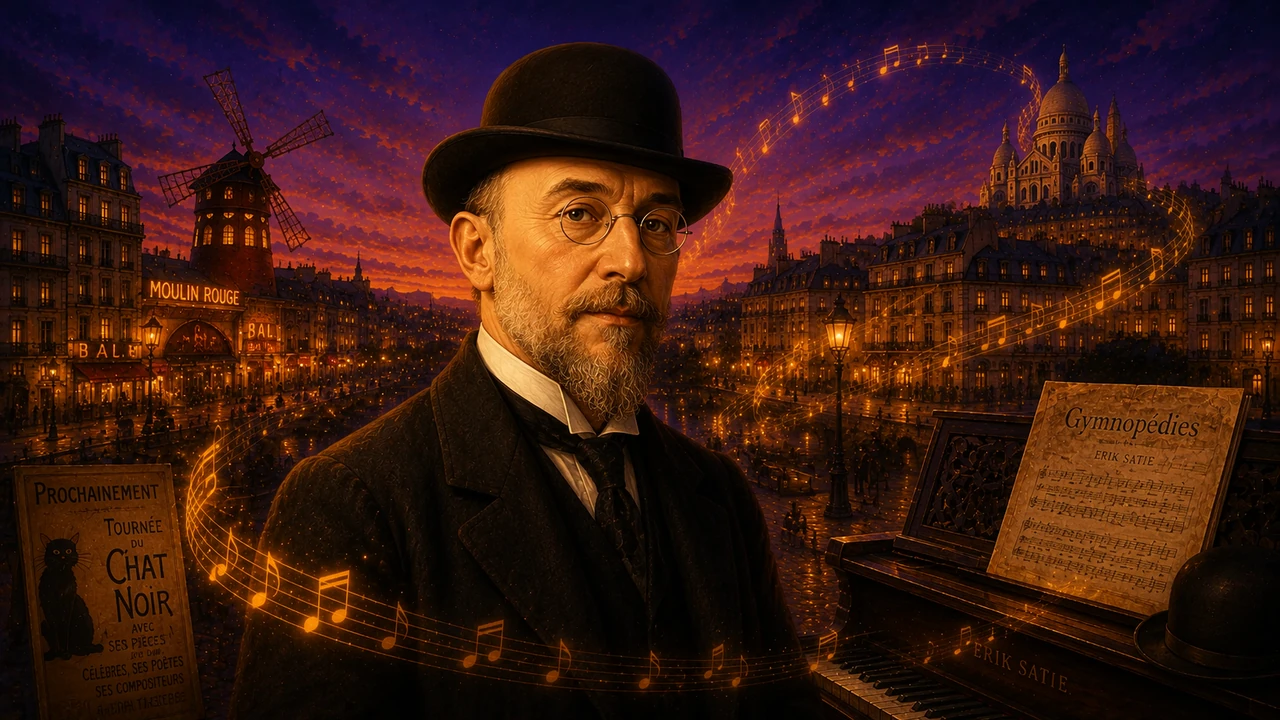
Erik Satie
Erik Satie created spare, witty and atmospheric piano music that challenged Romantic excess and helped open new directions in twentieth-century French music.

Claude Debussy
Claude Debussy transformed musical color, harmony and piano texture, creating a sound world in which atmosphere and timbre can be as important as traditional harmonic direction.
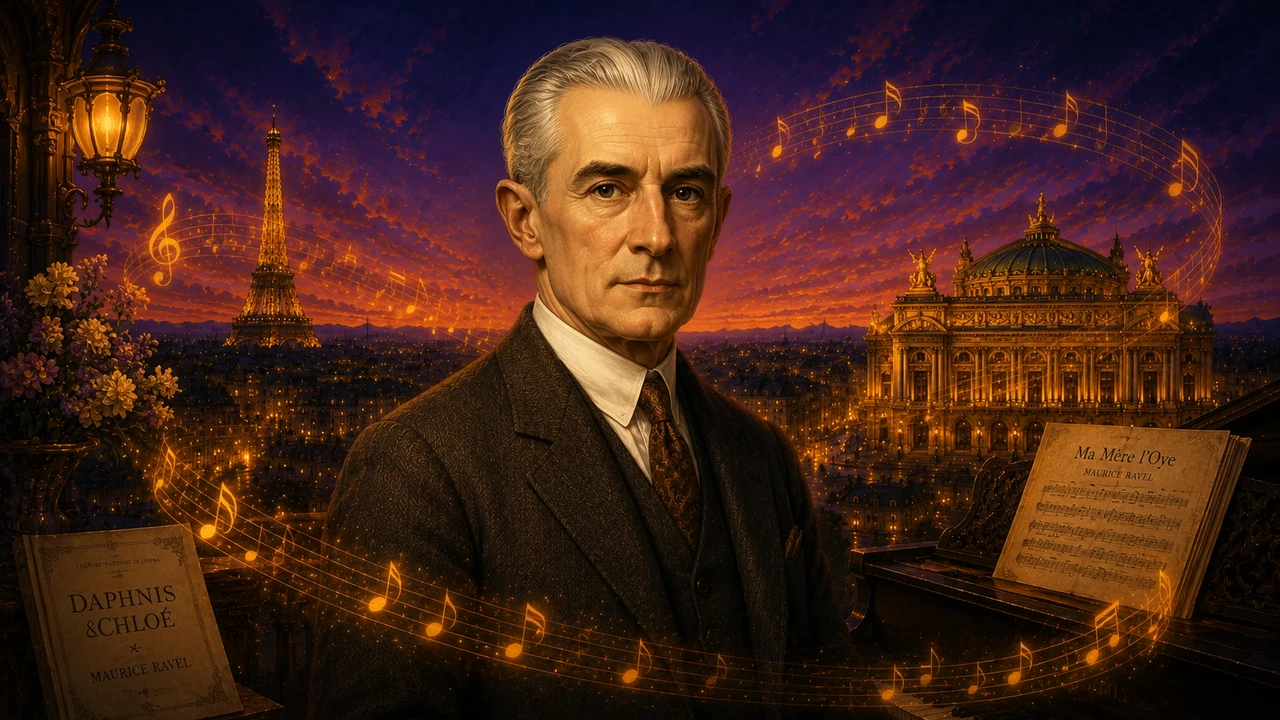
Maurice Ravel
Maurice Ravel combined extraordinary precision with brilliant color, writing piano and orchestral music in which every detail of rhythm, register and instrumentation seems carefully placed.

Gabriel Fauré
Gabriel Fauré shaped a refined French musical language through songs, chamber music and piano works whose smooth surfaces often hide subtle harmonic movement.
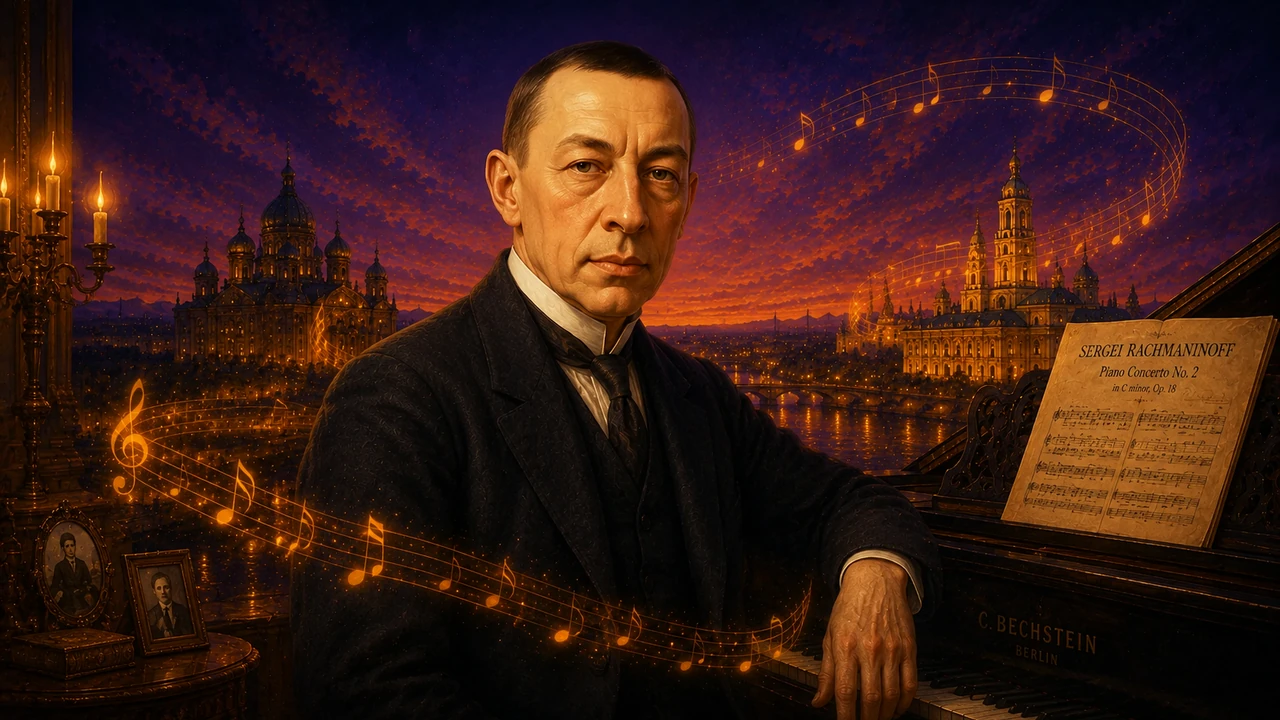
Sergei Rachmaninoff
Sergei Rachmaninoff carried the grand Romantic piano tradition into the twentieth century with expansive melody, rich harmony and some of the most demanding keyboard writing in the repertoire.
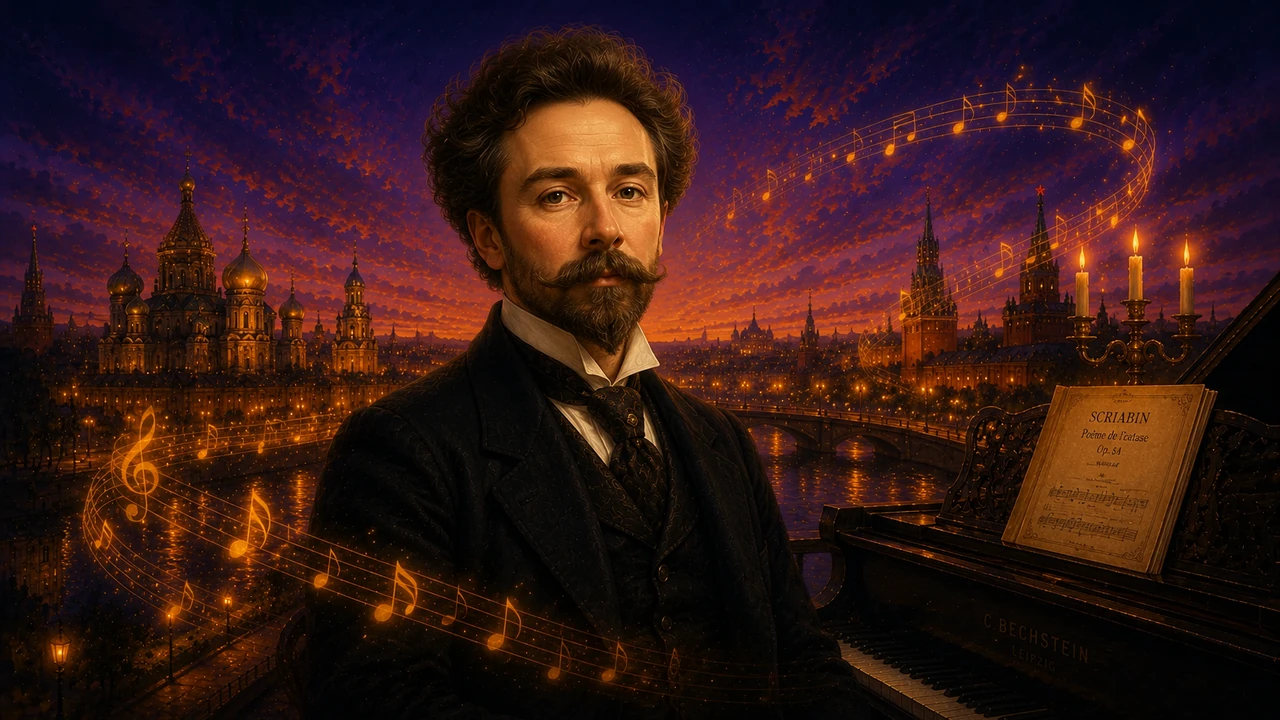
Alexander Scriabin
Alexander Scriabin began in a highly Romantic piano language and gradually developed a strikingly personal harmonic world connected with color, symbolism and mystical ideas.
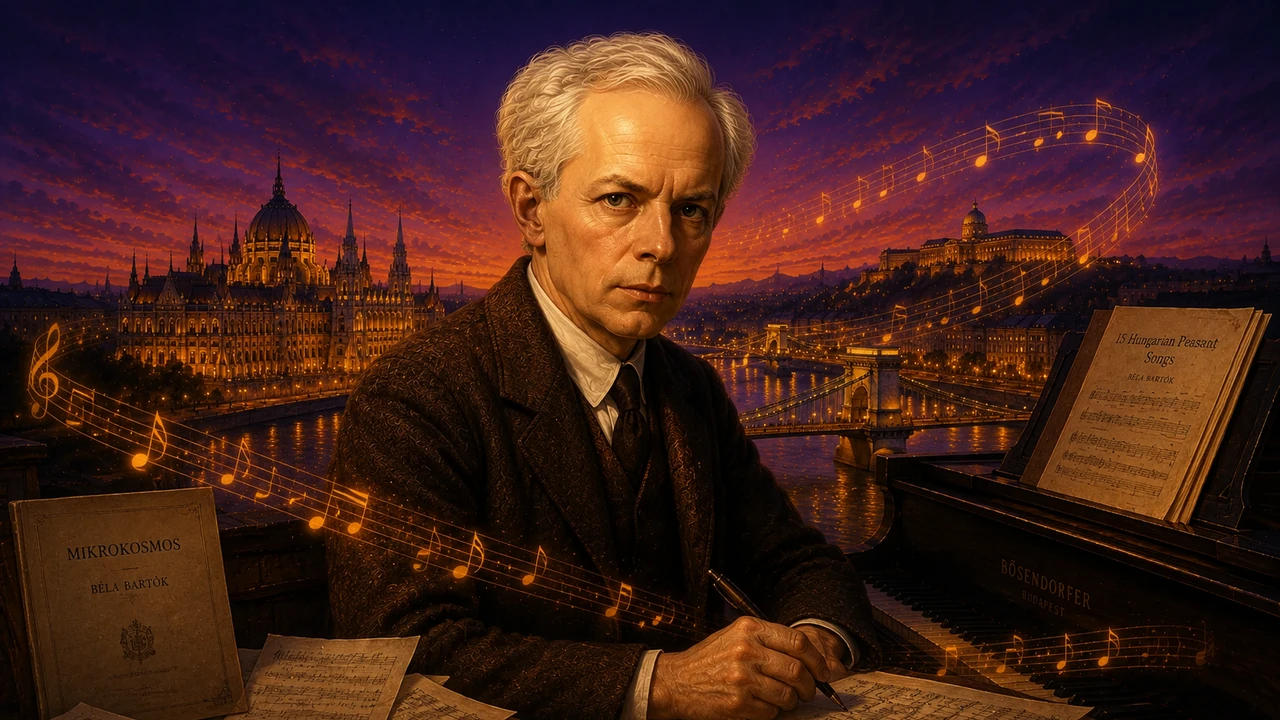
Béla Bartók
Béla Bartók combined modern musical language with the close study of folk traditions, creating rhythmic, energetic and highly original piano, chamber and orchestral music.

Sergei Prokofiev
Sergei Prokofiev wrote music with sharp rhythm, bold harmony, memorable melody and a distinctive mixture of humor, energy and lyricism.
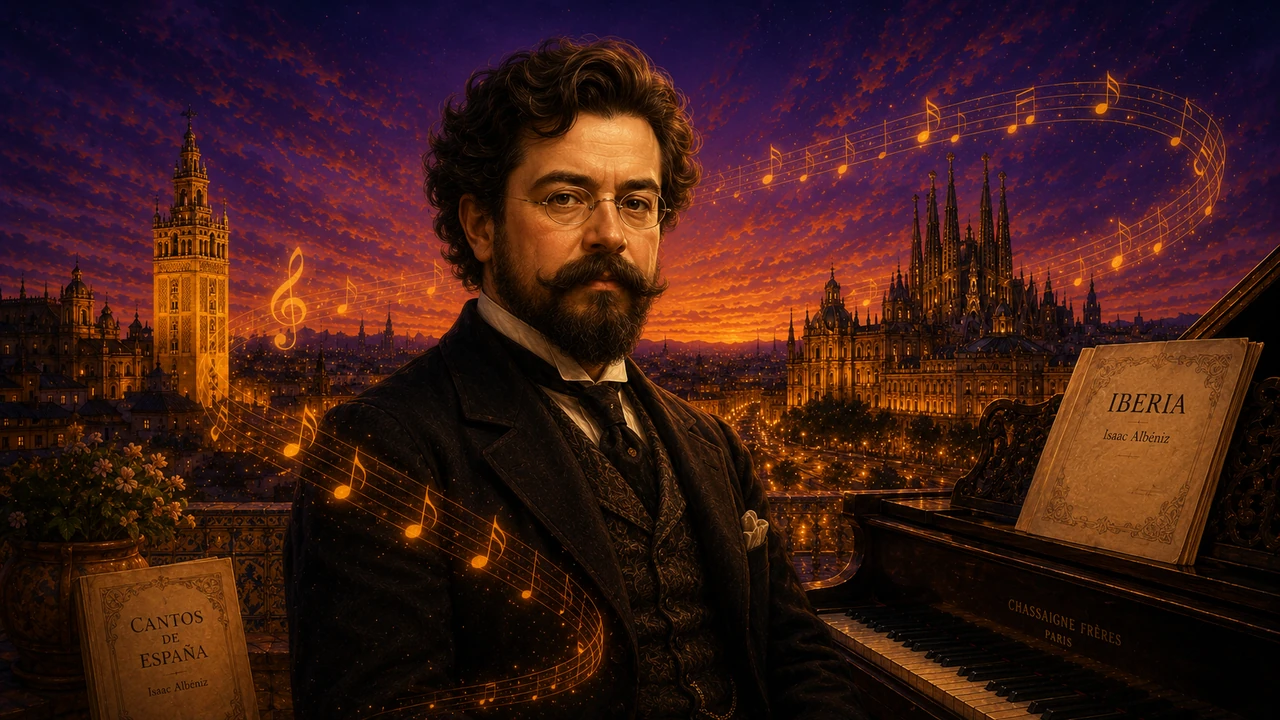
Isaac Albéniz
Isaac Albéniz brought Spanish dance, guitar-like textures and regional atmosphere into sophisticated piano music, culminating in the demanding suite Iberia.

Enrique Granados
Enrique Granados wrote lyrical, richly colored Spanish piano music inspired by dance, poetry and visual art, with Goyescas standing at the center of his mature style.